Rubber Band Pitching Articles | Baseball
Subscribe to me on YouTubepitching velocity videos


Subscribe to iTunes Pitching


rubber band Pitching Articles

Pitching Articles, Baseball Pitching Articles, Pitching Velocity Articles

Here are some pitching articles on this important pitching velocity topic. This topic is currently open for discussion. You can either comment on the articles below or start a thread in the pitching forums.

Flexibility And The High Velocity Pitcher

Brent Pourciau

by Brent Pourciau · September 17, 2012

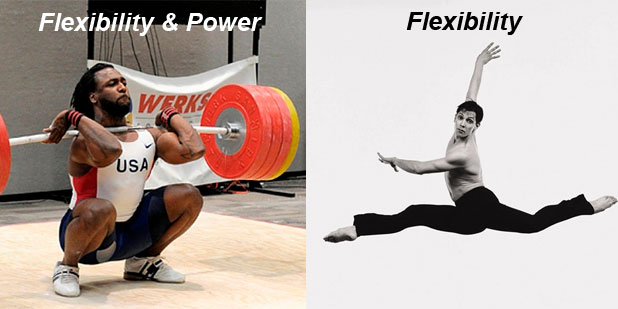
Flexibility Training for the High Velocity PitcherBefore we dive straight into flexibility and the high velocity pitcher we need to first define what flexibility is and why is it so important to the high velocity pitcher. Conventional wisdom has this flexibility issue completely wrong. How many times have you heard your coach or a coach say that working out makes you tight and you need to be more flexible, but at the same time he is complaining that you do not throw hard enough? This should tell you that this is a coach who has a very poor understanding of the body and especially the high velocity pitcher.

Flexibility is the common word used to define a limber body that can easily bend and stretch, the problem is this doesn’t really define the high velocity pitcher. The high velocity pitcher does a lot more than just bend and stretch his body, he also generates power. If a high velocity pitcher is just bending and stretching but not generating power in return, then we do not have a high velocity pitcher. The question you should ask your coach is do you want me to just be flexible or do you want me to be both flexible and powerful like a high velocity pitcher? The picture above should prove your point. Read more

Elastic Energy = Pitch Velocity

Brent Pourciau

by Brent Pourciau · August 26, 2009

Elastic Energy PitchingI have already made the argument that the body generates the velocity of the pitch and not the arm. This article will continue to prove this point and give the pitcher a better understanding of how pitching velocity is generated.

Dr. Jobe FW, Dr. Tibone JE, Dr. Perry J, Dr. Moynes D performed a case study called An EMG Analysis Of The Pitching Shoulder. This study is the proof that the accelerator muscles in the arm do not fire when the arm is moving forward. Which means the arm muscles do not activate to generate the velocity of the pitch. Here is a summary of the study. Read more

Tim Lincecum Teaches Top Velocity

Brent Pourciau

by Brent Pourciau · May 5, 2009

There are two forces that add velocity to a pitch:

  1. Momentum
  2. Rotational Torque

For momentum to effectively transfer to the ball, the pitcher must use all rotational pivots in order from the bottom up.  The hips must rotate before the shoulders and the shoulders before the arm internally rotates. For this to happen effectively these pivots must be free to rotate completely. Notice the picture of Tim Lincecum at the bottom of the page (Tim Lincecum is a phenom because of his size and ability to reach his top velocity continuously.)  Notice in the picture his weight is slightly leaning to his left. This would be like tilting an open door backwards so the open door slams closed due to gravitational forces. This gravitational pull is helping to create full range of motion in Tim Lincecum’s hips and shoulders at front foot strike. If he or the door was tilted the opposite way then these gravitational forces would work against his momentum by decreasing full range of motion in his rotational pivots. Using the force of gravity to increase the range of motion in your hips and shoulders will have a significant effect on your velocity. This is a big reason why Tim Lincecum can throw so hard for his size. He is working with the forces of nature to generate his power. Read more

Scap Loading And The Back Side To Pitching

Brent Pourciau

by Brent Pourciau · December 31, 2008

“Scap Loading” is the pinching of the shoulder blades or scapula during hip to shoulder separation. It is an important factor to velocity. Notice the picture here of Greg Maddux “Scap Loading”. The question is, is ”Scap Loading” a reaction to the stride or is it a voluntary action to generate more hip to shoulder separation?

Scap Loading Issues

The problem with coaching ”Scap Loading” is that it can promote the infamous inverted W.  The inverted W is the mechanical flaw linked to many rotator cuff and UCL injuries in professional baseball. This is when the elbows fly above the shoulders during the stride and before the shoulders fire towards the target. ”Scap Loading” can lead to this issue because ”Scap Loading” is the throwing of the elbows behind the back during the stride. Throwing the elbows behind the back or above the shoulders is both considered putting the shoulders and elbows in what the Physical Therapy world calls the “Red Zone.” This is a vulnerable position for the arms to be in during an explosive movement like pitching. Read more

Pitching Torque And The 3 Pivots

Brent Pourciau

by Brent Pourciau · December 16, 2008

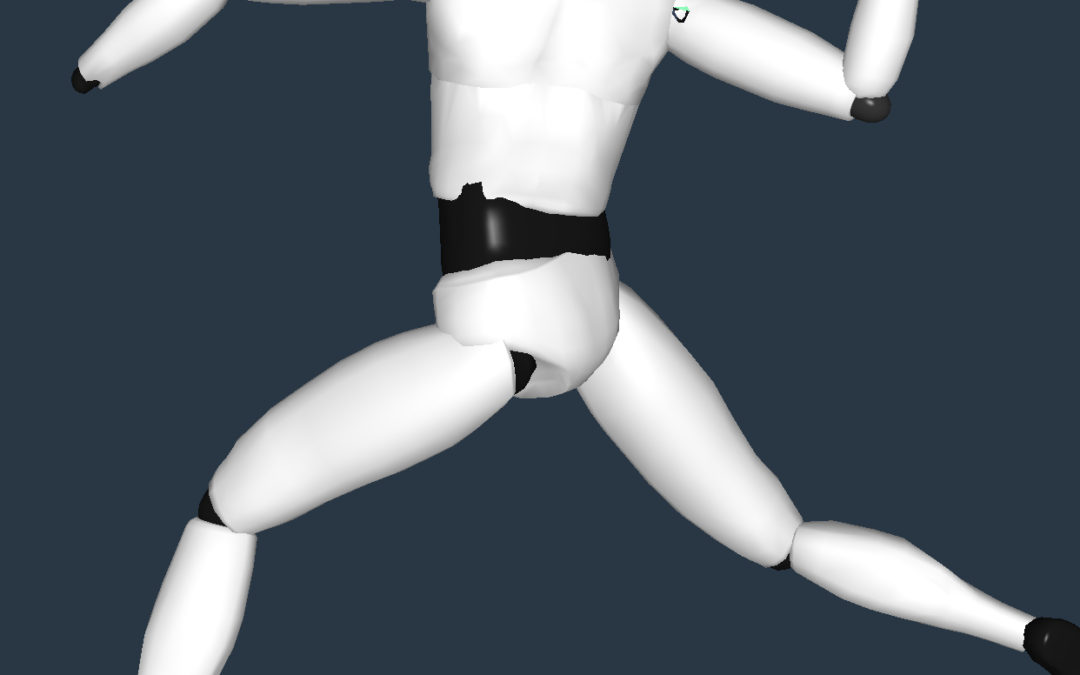
Pitching Torque and the 3 PivotsThe most important component of the pitching delivery is what is called, “Separation.” This is the separation of the hips and shoulders at front foot strike. This is what builds torque mainly in the core instead of the arm. This component will not only increase velocity but save a pitchers shoulder. Most high school and college pitchers have poor “Separation.” I have written about this component in just about every article on pitching velocity. I will once again define this into more detail.

The picture here of Felix Hernandez pretty much says it all. You can see the “Separation” from his hips to shoulders. It is like he is a towel being rung out to dry. Tim Lincecum calls this tightening his “Rubber Band.” The “Rubber Band” being his core. To understand why this is so effective in increasing velocity and preventing injury, we must first look at the bio-mechanics of pitching. Read more

Lift For Show, Load For Doe!

Brent Pourciau

by Brent Pourciau · November 22, 2008

Leg Lift, Pitching Lift LegOk, the leg lift isn’t only for “Show.” There is a lot of momentum that can be generated by the leg lift which transfers into velocity. The question is, “How come pitchers who have big leg lift’s in the wind up, when pitching in the stretch, have a lower leg lift but still throw the same velocity?” The answer is called the “Load.”

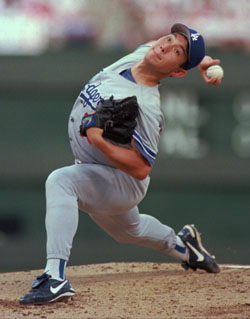
“Loading” is when the pitcher holds his weight back over his back leg, while his front side continues building momentum towards the target. This is why strong legs and core, produce powerful pitching. Look at Eric Gagne in this picture. He is squatting on his back leg, waiting for the perfect time to fire his hips and then his shoulders. Read more

“Salsa” And The Latin Pitcher

Brent Pourciau

by Brent Pourciau · October 1, 2008

When I think of the Latin culture, I think of their food and their life style. When I say “Salsa,” I am not talking about food, I am talking about dance. I have had maybe two “Salsa” lessons in my life and it was my wife’s idea. When I think about it, I am so glad I had the experience because it has helped me as a pitcher.

Salsa definition:

A mixture of up tempo Latin styles of music. The salsa is not an actual style of Latin music; it is a style of dance. One that has become increasingly popular over time. Up beat Latin patterns and beats played together create a salsa style groove.

When you take a lesson or watch it on the hit show “Dancing with the Stars,” you will see that “Salsa” is all about the hips moving the body. Observe the video. Read more