by Brent Pourciau | Apr 5, 2012 | Pitching Articles
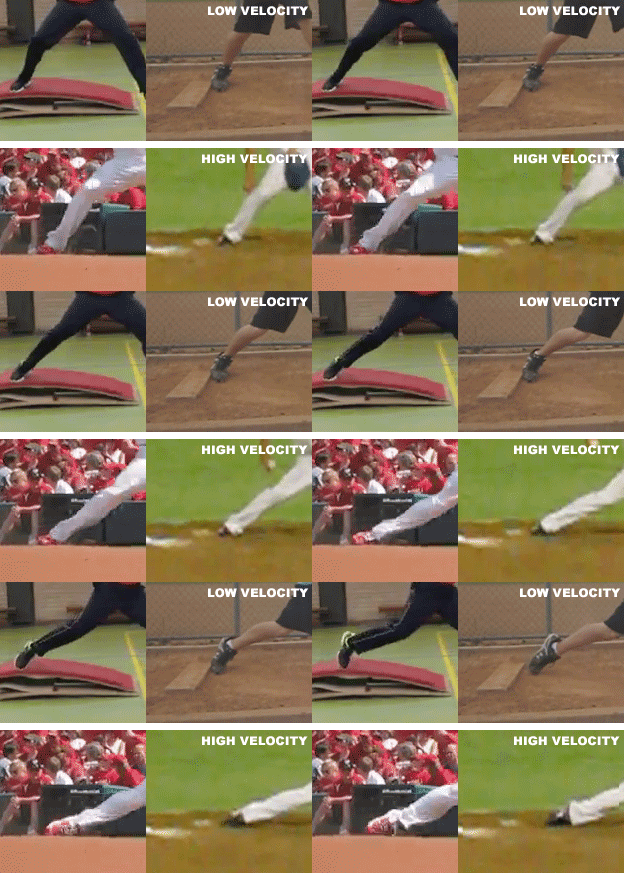
The majority of pitchers who commit to the 3X Pitching Velocity program initially struggle with the new motor coordination of triple extension and especially the critical ankle kick. The reason is because low velocity pitchers do not use this component effectively as...
by Brent Pourciau | Mar 21, 2012 | Pitcher Velocity Training Articles
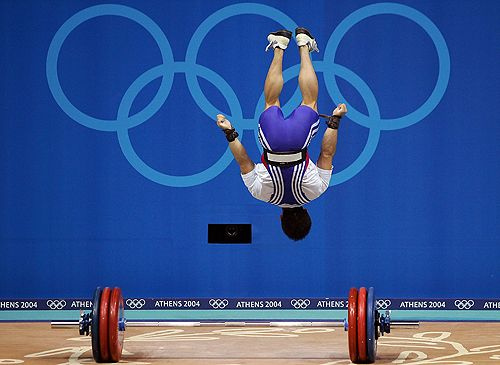
TopVelocity.net has been a very controversial source of information within the conventional wisdom of the game when it comes to training the power pitcher. This is because 3X Pitching promotes the use of Olympic Lifting to develop any low velocity pitcher into a...
by Brent Pourciau | Oct 26, 2009 | Pitching Articles
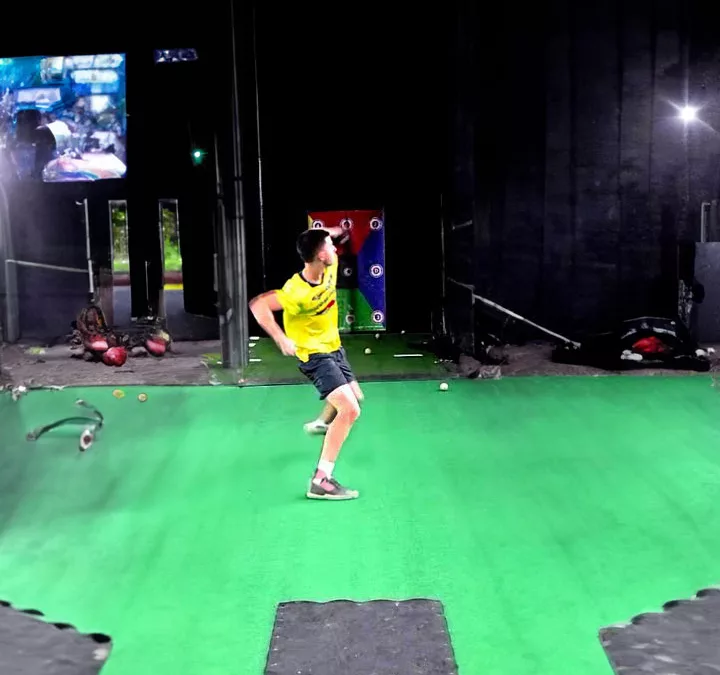
Many Extreme Long Toss programs use what some call the "Pull Down Phase." This is because after throwing the ball 300 feet in an "Air it out" program, they then want you to pull down your delivery so you do not continue to launch the ball high as you move closer to 60...
by Brent Pourciau | Jul 10, 2009 | Pitching Articles
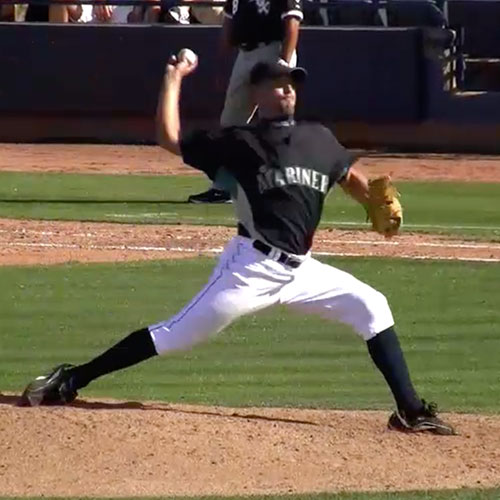
Dr. James Andrews at ASMI put together a study of low velocity pitchers vs high velocity pitchers to determine the difference in pitchers throwing hard. It was a good feeling after reading this study because the same information coming from Dr. Andrews is the same...
by Brent Pourciau | Jun 18, 2009 | References
Stodden DF, Fleisig GS, McLean SP, Lyman SL, Andrews JR. Relationship of pelvis and upper torso kinematics to pitched baseball velocity. Journal of Applied Biomechanics 17(2):164-172, 2001. Matsuo T, Escamilla RF, Fleisig GS, Barrentine SW, Andrews JF. Comparison of...