Pitching Velocity Quick Tip#5
September 6, 2011
This Pitching Velocity quick tip covers the pros and cons of the radar gun. The radar gun can be a very effective velocity enhancement tool if used correctly. It will reenforce good mechanical adjustments when making corrections in the pitching delivery. Where it can go wrong is when the radar gun is used only to see who can throw the hardest. This type of horse play with the radar gun makes those pitchers vulnerable to injury. If used currently, I highly recommend the use of the radar gun. It is a part of the 3X Velocity system which is the throwing program in the 3X Pitching Velocity program.
Five years ago the radar gun was only rarely used by individual pitchers in practice but because of the cheaper models and cheaper prices of today, it is very common for a young pitcher to have access to a radar gun. I have tested the cheaper models to the more expensive models and the only difference is the consistency of the speeds. Overall the cheaper models are almost just as good as the more expensive ones.
Stride Length Equals Leg Strength
May 2, 2011
Stride length is becoming more of a popular pitching component because of the data coming from the analysis of hard throwers. This data has been collected through video analysis and through the latest radar technology by Trackman. If you have not heard about this ground breaking technology and how it is making today’s radar gun obsolete then I suggest you read my latest article called 3D Doppler Radar Launches 3X Pitching. Read more
3D Doppler Radar Launches 3X Pitching
April 22, 2011
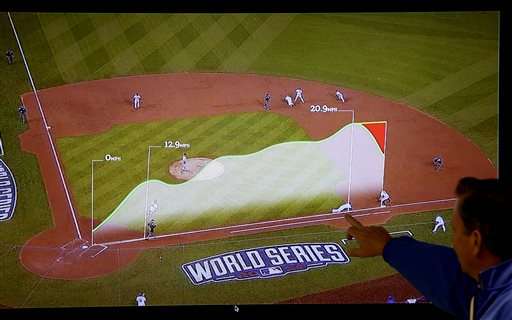
This may be the first sign of the beginning of a new era for baseball. A Danish company called Trackman has planted some 3D Doppler Radar’s in Major League parks across the country and the data is revolutionary. They can scientifically produce data that shows why two 90 MPH pitchers are not the same. Why one may be seen as having a “Sneaky” fastball when the other is throwing the exact same velocity. This is because this new technology uses distance and speed to measure velocity, instead of only using speed. Therefore, someone throwing 90 mph with a release point that is 53 feet away from the hitter is throwing harder, as perceived by the hitters eye, than the pitcher with the same velocity throwing the ball 55 feet away. Trackman has determined that the average release point from the rubber for an MLB pitcher is 5.10 feet but some of the “Sneaky” fastball pitchers are reaching release point distances of 7 feet or more. The ESPN Sports Science video about Chapman, which I cover in one of my previous articles, made this same discovery but Trackman is calculating this information on the fly. Based on their data one foot past the average 5.10 feet equals about 2 mph in increase perceived velocity. Trackman feels that this 3D Doppler Radar will eventually make the radar gun, as we know it today, the thing of the past. This is because their data gives an organization a lot more scientific data to evaluate talent than the traditional radar gun. This 3D Radar can also record spin rate of all pitches. Pitchers with higher spin rates have higher strikeout percentages. Read more
Fastest Pitch
October 28, 2010
| Name | Team | Year | MPH |
|---|---|---|---|
| Aroldis Chapman | Reds | 2010 | 105 |
| Joel Zumaya | Tigers | 2006 | 104.8 |
| Aroldis Chapman | Reds | 2010 | 104 |
| Mark Wohlers | Braves | 1995 | 103 |
| Armando Benitez | Mets | 2002 | 102 |
| Jonathan Broxton | Dodgers | 2009 | 102 |
| Neftali Feliz | Rangers | 2010 | 102 |
| Bobby Jenks | White Sox | 2005 | 102 |
| Randy Johnson | Diamondbacks | 2004 | 102 |
| Matt Lindstrom | Marlins | 2007 | 102 |
| Robb Nen | Marlins | 1997 | 102 |
| Justin Verlander | Tigers | 2007 | 102 |
Velocities in the past fifteen years have skyrocketed. In today’s game we have two handfuls of guys who can hit three digits on the radar gun. Just this season the Cuban defector Aroldis Chapman was recorded at 105 mph. This is the highest velocity ever recorded in a game. Nolan Ryan and Bob Feller are estimated to have thrown harder than this but they used different equipment in those days compared to today’s standards. So they are not on this list because of the technology differences.
The biggest question here at TopVelocity.net and around the web is how are these guys doing this? My answer is digital pitching science and strength and conditioning. There also may be a drug factor in the mix as well to be honest. Let’s take a closer look at these three reasons so we can better understand what is going on. Read more
FREE Pitching Chart
November 22, 2009
A pitching chart is a very valuable tool for a pitcher and a coach. For the pitcher it shows you your weaknesses and strengths. It tells you what pitches are working on what batters and what pitches are not working on what batters. It also tells you how many pitches you are throwing per inning which is valuable information for your Coach. Your Coach should know your limit and be prepared to rescue you if you are getting close to your redline. Read more